
Discover who we are and learn about LISER’s commitment to driving societal change through cutting-edge research.

Learn more about LISER’s departments, shaping our contributions to societal and scientific challenges.
Discover research that examines key challenges in employment, economic trends and social dynamics within the labour market, offering valuable insights into these important areas.
Engage with research that investigates the factors influencing living standards, with a focus on income distribution, housing conditions and social inclusion, providing evidence-based insights into these crucial areas.
Studies urban dynamics to identify pathways of actors to stimulate sustainable urban transitions.
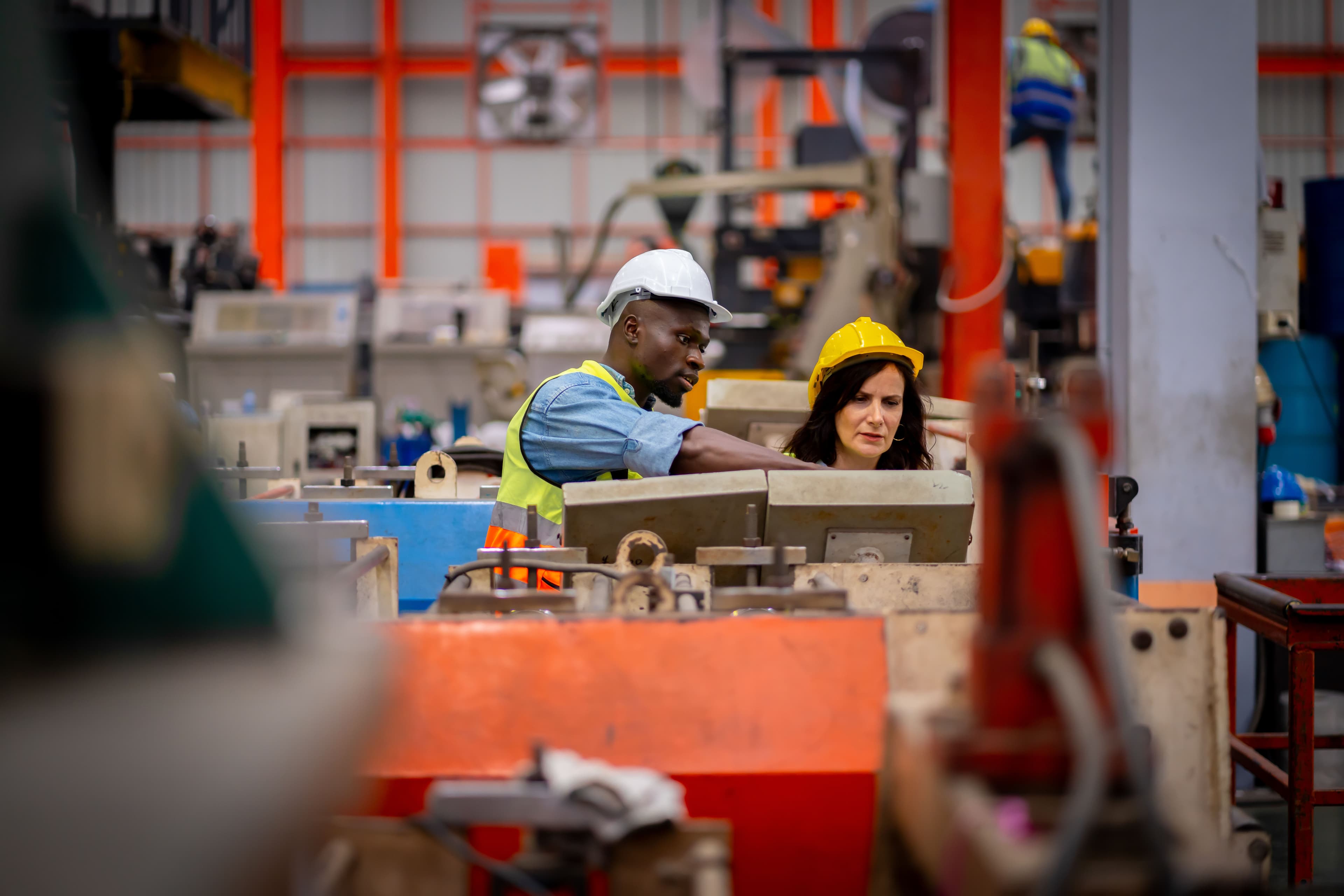
Learn more about our cross-departmental programmes, which combine interdisciplinary expertise to tackle transversal challenges.
Discover how our research into the complexities of cross-border mobility is advancing knowledge, shaping policy, benefiting society and addressing global challenges.
Engage with research dedicated to enhancing public health, improving healthcare accessibility, and promoting equitable and efficient health solutions at a global scale.

Discover LISER's initiatives, driving scientific progress and fostering meaningful collaborations with stakeholders.
Meet a dynamic community of researchers addressing critical societal challenges through innovative and interdisciplinary studies. Our doctoral programme offers exceptional training, mentorship and opportunities to shape impactful policies and drive innovation in diverse fields.
The Centre of Competence for Data Science and Simulation (DSS) is a cross-departmental initiative. Our ambition is to develop infrastructure, tools and competences in in machine learning, big data, microsimulation and geoexperimentation to conduct excellent research and advise policy-makers as well as stakeholders.
The Competence Centre in Experimental and Participatory Research (EXPAR) is a cross-departmental initiative. Our ambition is to improve awareness of and skills in experimental and participatory research methods to strengthen LISER’s position at the forefront of internationally high quality, scientifically rigorous and societally relevant research.

Stay up to date with our latest news, learn about key insights and explore events where you can contribute to LISER’s impactful initiatives.